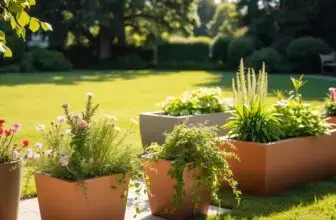
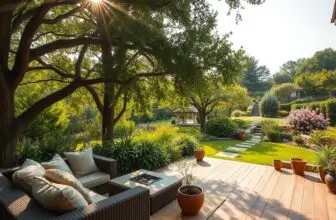
Turning your outdoor area into a peaceful retreat can be a great way to relax. It’s a place where you can escape the daily stress. With the right planning, you can make a calm space surrounded by nature.
First, pick a spot in your yard that gets the right sunlight and has good soil. This will be the base of your nature haven. Creating a peaceful oasis can improve your mental and physical health.
Key Takeaways
Create a serene environment in your outdoor space.
Choose a spot with the right sunlight and soil quality.
Design a tranquil oasis to enhance your well-being.
Surround yourself with nature for a peaceful escape.
Plan carefully to achieve your desired haven.
Understanding the Concept of a Garden Sanctuary
A garden sanctuary is a space that helps you feel better physically, emotionally, and spiritually. According to Anne Balogh, it’s an outdoor area designed to improve your well-being.
What is a Garden Sanctuary?
A garden sanctuary is more than a pretty outdoor area. It’s a peaceful place that helps you relax. It’s made to be a tranquil escape from everyday worries, calming your mind and body.
Benefits of Having a Garden Sanctuary
Having a garden sanctuary can greatly benefit you. It can lower stress and anxiety, boost physical activity, and help you meet new people. Creating such a space might cost money, but it’s as valuable as a £1000 wellness retreat.
Benefit
Description
Reduces Stress
Provides a peaceful environment that calms the mind.
Promotes Physical Activity
Encourages gardening and other outdoor activities.
Enhances Social Interaction
Fosters community through garden events and gatherings.
Improves Mental Health
Offers a therapeutic escape that can reduce symptoms of anxiety and depression.
Creating a garden sanctuary means designing a space that connects you with nature. Adding a zen garden or an outdoor oasis can make your space even more peaceful.
Choosing the Right Location for Your Garden
Finding the perfect spot for your garden is key. Shannon Cowan suggests taking stock of your yard. Look at fencing, trees, beds, containers, and where the sun hits.
Sunlight Requirements
Sunlight is essential for a garden’s success. Most plants need at least 6 hours of direct sunlight. But, some love the shade. Knowing your garden’s sun patterns is vital.
Tips for assessing sunlight:
Watch your garden at different times.
Mark the sunny and shady spots.
Use a sunlight meter for exact measurements.
Soil Quality Considerations
Soil quality is also critical. It should drain well and be full of nutrients. You can test it by squeezing it or sending a sample to a lab.
“Understanding your soil type is key for choosing the right plants and soil amendments.” – Shannon Cowan
Steps to improve soil quality:
Add compost or manure to enrich it.
Use mulch to keep moisture in and weeds out.
Don’t over-till to avoid compacting the soil.
By focusing on sunlight and soil, you can make a beautiful, functional garden. Improving your soil and adding mulch can cost £50-£100, depending on your garden’s size.
Selecting Plants for Your Garden Sanctuary
To make your garden a true sanctuary, pick your plants wisely. The right plants can make your garden look great and feel peaceful. They create a welcoming space.
Native vs. Non-Native Plants
Choosing between native and non-native plants is important. Native plants fit well in your area because they’re used to the local weather and soil. Gardening expert Amy Roberts says native plants make your garden beautiful and immersive.
Non-native plants can make your garden unique and interesting. But, they might need more care. You’ll need to think about their needs and your garden’s specific conditions.
Incorporating Aromatic Plants
Aromatic plants add a special touch to your garden. Lavender, rosemary, and chamomile smell great and attract helpful insects. They make your garden a place where you can relax and enjoy the senses.
When picking aromatic plants, think about where they’ll grow best. Planting them near paths or where you sit can make your garden even more inviting. Some aromatic plants are affordable, starting at £3 per pot.
By choosing a mix of native and aromatic plants, you can create a beautiful and calming garden. Whether you want a simple garden or a lively oasis, the right plants are essential.
Designing Your Garden Layout
Designing your garden layout is key to making a welcoming space. A good layout boosts your garden’s look and use.
When planning, think about important elements. Shannon Cowan says paths help guide the eye and add adventure.
Creating Focal Points
Focal points are essential in garden design. They catch the eye and add interest. Use statues, water features, or standout plants for focal points.
Here are some ideas for focal points:
Use a striking piece of garden art
Add a water feature like a small pond or fountain
Plant a unique tree or shrub
Establishing Pathways and Seating Areas
Pathways and seating areas are key to a great garden. They help visitors move through and offer places to relax.
For pathways, pick materials like stone, gravel, or brick. The right material depends on your garden’s style and budget. Costs vary from a few pounds for gravel to over £100 for stone.
Pathway Material
Cost
Maintenance
Stone
£50 – £100
Low
Gravel
£10 – £30
Medium
Brick
£30 – £70
High
Place seating in quiet, shaded spots or with views. Use benches, hammocks, or sofas to make cozy areas.
By designing your garden well, adding focal points, and creating paths and seating, you’ll have a beautiful, useful outdoor space. Enjoy it for many years.
Essential Gardening Tools
To keep your garden thriving, you need the right tools. Gardening tools make your work easier and faster. They are key, whether you have a small balcony or a big backyard.
Hand Tools for Small Spaces
Hand tools are a must for small gardens or balconies. They help with detailed care without using much space. Some must-haves include:
Trowels for planting and transplanting
Pruners for trimming plants
Rakes for soil prep and leaf cleanup
Good hand tools can cost between £20 to £50. A quality trowel is about £15, and a basic pruner starts at £5.
Power Tools for Larger Projects
For bigger gardening jobs, power tools are essential. They save time and effort, helping you handle large tasks easily. Some key power tools are:
Lawn Mowers for keeping grass areas neat
Hedge Trimmers for shaping hedges
Rototillers for preparing soil
Power tool prices vary a lot, from £50 for a basic electric hedge trimmer to over £500 for a top lawn mower.
Tool Type
Use
Approximate Cost (£)
Trowel
Planting and transplanting
15
Pruners
Trimming plants
5-20
Lawn Mower
Maintaining grassy areas
100-500
Hedge Trimmer
Shaping hedges
50-200
Choosing the right tools helps keep your garden looking great with little effort. Whether you’re new to gardening or have been doing it for years, getting the right tools is a smart move.
Introducing Water Features
Adding water features to your garden can make it look and feel better. They bring a calming touch, making your garden a peaceful place. This can help you relax and feel at ease.
Amy Roberts says water features like fountains or ponds bring peace. She points out how important they are in garden design.
“The sound of water is calming, and when incorporated into a garden, it can create a peaceful oasis.”
Types of Water Features to Consider
There are many water features you can choose for your garden. Here are a few:
Fountains: They add a soothing sound and look great.
Ponds: Ponds are homes for fish and other water creatures, adding life to your garden.
Waterfalls: Waterfalls make your garden look dramatic and peaceful.
Rain Gardens: These catch and clean rainwater, helping your garden.
Each water feature has its own benefits. You can pick one that fits your garden’s look and needs.
Type of Water Feature
Benefits
Cost (£)
Fountains
Aesthetic appeal, soothing sound
200-1,000
Ponds
Habitat for aquatic life, visual appeal
500-5,000
Waterfalls
Dramatic effect, soothing sound
300-2,000
Benefits of Water Features in Your Garden
Water features do more than look good. They also make your garden feel special. Here’s why:
Relaxation and Stress Relief: Water sounds can calm you down and reduce stress.
Wildlife Attraction: Ponds and other water features attract birds, bees, and butterflies.
Aesthetic Appeal: Water features can be the main attraction in your garden, making it more beautiful.
Adding water features to your garden makes it a peaceful place. It invites you to relax and enjoy the calm.
Attracting Wildlife to Your Sanctuary
Designing your garden to attract wildlife deepens your connection with nature. It fosters a sense of connection to the outdoors and boosts biodiversity.
Creating Habitats for Birds
To draw birds, create a habitat that meets their needs. Start by planting native plants that offer berries or seeds. Anne Balogh suggests using native plants and providing bird habitats to attract wildlife.
You can also add a birdbath or nesting box for shelter and water.
Here are some tips for bird-friendly habitats:
Plant native vegetation for food and shelter
Install a birdbath or pond with fresh water
Use nesting boxes for breeding sites
Pollinators: Bees and Butterflies
Bees and butterflies are key pollinators for your garden’s health. To attract them, plant flowers rich in nectar and pollen. Include plants like lavender, sunflowers, and coneflowers in your garden.
Here are more tips for pollinators:
Plant a mix of annuals and perennials for constant nectar
Avoid pesticides to protect pollinators
Create a bee hotel for solitary bees
By following these tips, you can welcome wildlife to your garden. Enjoy the benefits of a thriving ecosystem.
Seasonal Care for Your Garden Sanctuary
Seasonal care is key for a lively and healthy garden. Adjusting your gardening to the seasons helps growth and avoids damage. It’s about getting ready for the next season and cleaning up after the last one.
Spring Preparation Tips
Spring brings renewal, and getting your garden ready is vital. Start by clearing out winter debris. Remove dead plants, weeds, and leaves for a fresh start.
Prune and trim your plants to encourage new growth. Also, check for winter damage and fix it quickly.
Check for frost damage and repair any broken branches or stems.
Apply a spring fertilizer to give your plants a nutrient boost.
Start seedlings indoors or directly in the garden, depending on the type of plants.
Fall Cleanup Strategies
As fall comes, prepare your garden for the cold. Start by cleaning up leaves and debris. This keeps your garden neat and prevents disease and pests.
Compost the leaves and other organic matter. This makes rich soil for next year. Add mulch or straw to protect plants from frost.
Rake leaves regularly to prevent them from accumulating and causing problems.
Cut back perennials to the ground after they have finished blooming.
Plant spring bulbs and consider adding a layer of protection against extreme weather.
By following these seasonal care tips, your garden will stay beautiful and healthy all year. Regular care boosts your garden’s look and health.
Sustainable Gardening Practices
As gardeners, it’s key to use sustainable practices. This makes our gardens healthier and better for the planet. Sustainable gardening helps reduce harm to the environment and supports healthy growth and diversity.
Anne Balogh says using composting techniques and natural pest control methods is essential. These practices make your garden better for you and the planet. They also make your garden more beautiful and productive.
Composting Techniques
Composting is a big part of sustainable gardening. It turns waste into a soil that helps plants grow. You need green materials (like kitchen scraps) and brown materials (like dried leaves) to start.
Collect kitchen scraps and yard waste in a compost bin.
Layer green and brown materials for a balanced compost pile.
Keep the compost moist and aerate it often to speed up decomposition.
Composting reduces waste and saves money on fertilizers. It’s a great way to help your garden and the environment.
Natural Pest Control Methods
Instead of chemical pesticides, natural methods are safer. They include using beneficial insects, physical barriers, and organic pesticides like neem oil.
Attract beneficial insects like ladybugs and lacewings to eat pests.
Use physical barriers, like mesh, to protect plants.
Apply organic pesticides safely for the environment and people.
Natural pest control keeps your garden safe and healthy. It also helps the environment. This can save you £50 to £100 a year on pest control.
Using composting and natural pest control makes your garden better for the planet. These practices help your garden thrive, benefiting you and the environment.
Personalizing Your Garden Sanctuary
To make your garden feel like your own, think about adding special touches. Shannon Cowan suggests using decorative elements and outdoor lighting. These can make your garden welcoming and show off your style.
Adding Decorative Elements
Decorative items can really make your garden stand out. Think about adding statues, ornaments, or sculptures that you love. These can be eye-catching and make you want to explore more.
Playing with textures and colors can make your garden more interesting. For example, combining stone statues with colorful flowers can look great. Prices vary, from £10 for garden gnomes to £500 for custom sculptures.
“The right decorative elements can transform a garden into a sanctuary that nourishes both the body and the soul.”
Outdoor Lighting Ideas
Outdoor lighting is key to enjoying your garden at night. Solar lights are good for the planet and your wallet. String lights can add a fun touch. Spotlights can highlight special features like water or statues.
Using different lights can make your garden look even better. For instance, pathway lights and tree uplights can create a cool effect. Prices start at £50 for solar lights and can go up to £500 for full systems.
By adding special touches like decorative items and lights, you can make your garden a beautiful, personal space. It will be a place you love to be.
Engaging with the Community
Getting involved in gardening can help you make new friends and share knowledge. You can talk about your gardening adventures, learn from others, and discover new gardening tips.
Hosting Garden Tours and Workshops
Hosting garden tours and workshops is a great way to connect with others. It lets you share your gardening skills and show off your garden. It’s also a chance for others to learn and get inspired.
Here are some tips for a successful event:
Plan ahead and pick a date that works for everyone.
Use local gardening clubs, social media, and event calendars to promote it.
Make sure your presentation is clear and easy to follow.
Encourage guests to ask questions and share their thoughts.
Hosting events can also make you some money. You can ask for a small fee, which can help cover costs. For example, a workshop on sustainable gardening might cost £20 per person, earning you £200 for a session with 10 people.
Event Type
Potential Earnings
Number of Participants
Garden Tour
£100
10
Workshop
£200
10
Composting Seminar
£150
15
Joining Local Gardening Clubs
Joining local gardening clubs is another great way to connect. These clubs let you meet other gardeners, swap tips, and join in on activities. They often have resources like seed exchanges and tool sharing.
Being part of a gardening club can expand your network and give you new knowledge. Look for clubs in your area and start by attending their meetings or events.
Getting involved in gardening not only makes your experience better but also helps others. By sharing your passion and knowledge, you can make a positive difference and bring gardeners together.
Maintaining Your Garden Sanctuary
Keeping your garden in top shape is key. Regular care makes sure it stays healthy and beautiful. With a routine, you can enjoy your garden all year.
Care Routines
Tasks like pruning, weeding, and watering are part of regular care. They keep your garden looking great and prevent problems. Pruning controls plant size, and weeding stops unwanted plants from taking over.
Seeking Professional Help
If you’re not sure about some tasks or need help with big projects, think about hiring a pro. The cost varies, but it’s worth it for complex jobs. Prices start at £30 per hour, based on the gardener’s skills and where they are.
By following these tips and knowing when to get help, your garden will stay beautiful for years.
FAQ
What is a garden sanctuary, and how can it benefit my well-being?
A garden sanctuary is a calm outdoor space that helps you relax and lowers stress. It connects you with nature, boosting your mental and physical health. It’s a peaceful escape from daily life’s stresses.
How do I choose the right location for my garden sanctuary?
When picking a spot for your garden, think about sunlight and soil. Check your yard’s conditions to find the best place. Look for the right sunlight and soil type for your plants.
What types of plants are best suited for a garden sanctuary?
Native, aromatic, and soothing plants are great for a garden sanctuary. Choose plants that attract bees and butterflies for a lively ecosystem.
How can I design my garden layout to create a peaceful atmosphere?
To make your garden peaceful, plan with focal points, paths, and seating. Add water features like fountains or ponds for calmness.
What are some essential gardening tools I need to maintain my garden sanctuary?
You’ll need hand tools like trowels and pruners, and power tools like mowers and trimmers. Good tools make gardening easier and keep your garden healthy.
How can I attract wildlife to my garden sanctuary?
To draw wildlife, add native plants, food sources, and shelter. A water feature like a birdbath or pond attracts many animals.
What are some sustainable gardening practices I can implement in my garden sanctuary?
Use composting, natural pest control, and eco-friendly products. These practices help your garden grow healthily and reduce environmental harm.
How can I personalize my garden sanctuary to reflect my style?
Add decorations like statues or furniture, and outdoor lighting for ambiance. Personal touches like photos or heirlooms make your garden unique.
How can I maintain my garden sanctuary to keep it looking its best?
Regular care like watering, pruning, and weeding is key. If your garden is big, consider hiring a gardener for help.
What are some seasonal care tips for my garden sanctuary?
For spring, clean up debris and prune. In fall, remove dead leaves and prepare for winter. These tips keep your garden healthy all year.
How can I engage with the community and share my knowledge of gardening?
Host tours and workshops, join clubs, and share your gardening tips. Connecting with other gardeners helps you learn and build a community.

 Sacop
Sacop