
Discover Your Ideal Sleep: A Guide to Beds and Mattresses
 Sacop
Sacop A good night’s sleep is key to our well-being. The right bed and mattress are vital for this. With over 110,000 5-star reviews on the Casper Homepage, it’s clear many value their sleep. Finding the perfect mattress can be tough, but it’s worth it for better rest.
Choosing a comfy bed and mattress from trusted brands like Silentnight is wise. A good night’s sleep boosts our mood, productivity, and health. This guide will help you pick the best bed and mattress for a peaceful sleep.
Key Takeaways
- Selecting the right bed and mattress is key for a good night’s sleep.
- A comfy mattress can lift our mood, boost productivity, and improve health.
- Brands like Silentnight offer top-notch sleep solutions.
- Think about comfort, support, and material when picking a mattress.
- A great bed and mattress can significantly enhance our sleep quality.
Understanding Dreams and Sleep Quality
Dreams are a big part of our lives, happening everywhere in the world. They are linked to how well we sleep and how we feel every day. Studying dreams can really help us sleep better.
The Science Behind Dreams
Dreams happen when we’re in the Rapid Eye Movement (REM) stage of sleep. This is when our brain works like it’s awake. Scientists think dreams help us process our memories and feelings.
Studying dreams, or oneirology, has grown a lot. It now includes insights from psychology, neuroscience, and anthropology. Even though we don’t know everything about dreams, they’re a big part of our sleep.
How Sleep Affects Mood and Performance
Sleep quality really matters for how we feel and do things. Good sleep helps us manage our emotions, think clearly, and stay healthy. Bad sleep can make us grumpy, less productive, and more likely to get sick.
Our mood and sleep are connected. Stress and anxiety can make it hard to sleep well. They can also make us wake up during the night.
The Importance of Sleep Stages
Sleep isn’t just one thing; it’s made up of different stages. There’s REM and Non-REM (NREM) sleep, with NREM split into three. Each stage does something special for our bodies and minds.
Knowing about sleep stages helps us see how sleep keeps us healthy. REM sleep is key for learning and remembering things. NREM sleep, the deeper stages, helps our bodies fix and refresh.
A good mattress can really help us sleep better. It gives us the right support and comfort for all sleep stages.
The Role of a Good Mattress
Getting a good night’s sleep starts with a quality mattress. It offers the right support and comfort. This ensures you wake up feeling refreshed.
How a Mattress Influences Sleep Quality
A mattress greatly affects sleep quality. It keeps your spine aligned and reduces pressure points. This prevents discomfort during the night.
The type of mattress also matters. For example, memory foam mattresses mould to your body. They offer tailored support.
Signs You Need a New Mattress
Do you wake up with aches or toss and turn? It might be time for a new mattress. Visible sagging or dips are also signs. So is disturbing your partner’s sleep.
Also, if your mattress is over 7-8 years old, it’s probably time for a change. Most mattresses last 7-10 years.
Different Types of Mattresses Explained
There are many mattress types, each with its own benefits. Here are a few:
- Memory Foam Mattresses: They mould to your body and relieve pressure.
- Innerspring Mattresses: They have a coil system and are breathable.
- Hybrid Mattresses: They mix materials for comfort and support.
- All-Foam Mattresses: Made of foam, they’re great for side sleepers.
Choosing the right mattress depends on your needs. Consider your sleeping position and any specific requirements.
Choosing the Right Bed Frame
The right bed frame can make a big difference in how well you sleep. It’s not just about looks; the frame can also affect your sleep quality and comfort.
Styles of Bed Frames Available
There are many bed frame styles to match different tastes and bedroom styles. You can find everything from modern minimalist designs to traditional ornate frames.
- Platform beds for a sleek, low-profile look
- Storage beds with drawers for extra space
- Canopy beds for a touch of elegance
Choosing a style that complements your bedroom can make your sleep space feel more harmonious.
Material Choices: Wood, Metal, or Upholstered?
The material of your bed frame can change its durability and look. Common materials include:
- Wood: Classic and sturdy, wooden frames can add warmth to your bedroom.
- Metal: Sleek and modern, metal frames are often more affordable.
- Upholstered: These frames offer a soft, padded headboard and can be a stylish addition.
Think about what you like and your bedroom’s theme when picking the material.
The Impact of Frame Height on Sleep
The height of your bed frame can affect your sleep. A frame that’s too low or too high can be a hassle.
A bed frame of the right height makes it easier to get in and out of bed. This is great for people with mobility issues.
| Frame Height | Pros | Cons |
|---|---|---|
| Low | Modern look, easy to match with low-profile bedding | May be difficult to get in and out of bed |
| High | Easier to get in and out of bed, storage space underneath | May require higher bedding costs, can look bulky |
The Best Mattress Types for Different Sleepers
Finding the perfect mattress starts with knowing what you need. There are many types to choose from. It’s important to understand what each offers.
Memory Foam vs. Innerspring Mattresses
Memory foam mattresses shape to your body, giving great support and relief. They’re great for side sleepers, as they soften the shoulders and hips. Innerspring mattresses, with their coil system, are firmer and breathable. They’re best for back and stomach sleepers.
“Memory foam and innerspring mattresses meet different needs,” a sleep expert notes. Memory foam suits those who like soft mattresses. Innerspring mattresses are for those who prefer firmer surfaces.
Benefits of Hybrid Mattresses
Hybrid mattresses mix memory foam and innerspring benefits. They have memory foam on top of coils. This makes them versatile and suitable for many sleepers, including couples.
- Combines support and pressure relief
- Suitable for various sleeping styles
- Ideal for couples with different preferences
Choosing the Right Firmness Level
Firmness is key to a mattress’s comfort and support. It varies by personal taste and sleep position. Side sleepers often prefer soft mattresses for their pressure points. Back and stomach sleepers need firmer mattresses for spinal alignment.
Think about your sleep position and comfort when picking a mattress. Sleep Country Canada has a variety, including memory foam and innerspring. This helps you find the right firmness for you.
Sleep Accessories That Enhance Your Experience
Sleep accessories are key to a good night’s sleep. A great mattress is important, but other items can make a big difference too.
Pillows: Importance of Support
Pillows support your head and neck, keeping your spine aligned. This ensures you’re comfortable all night. Picking the right pillow is essential for your sleep quality.
Think about the material and height of your pillow. Memory foam pillows are great for support. Down pillows are soft but need more care.
Mattress Protectors and Their Benefits
Mattress protectors are often forgotten but are very useful. They keep your mattress safe from spills, dust mites, and allergens. This helps your mattress last longer.
A good protector is breathable, waterproof, and comfy. Look for cotton or bamboo for airiness. Make sure it’s also waterproof to avoid accidents.
| Feature | Cotton Protector | Waterproof Protector |
|---|---|---|
| Breathability | High | Medium |
| Protection | Low | High |
| Comfort | High | Medium |
Bedding Essentials for Comfort
Bedding like sheets and duvets are important for comfort. Choose materials that feel soft and breathe well to keep you cool.
Cotton and linen are good choices because they’re breathable and comfy. Sheets with a higher thread count are softer and last longer.
Tips for Maintaining Your Mattress
Looking after your mattress is key to its long life. A well-kept mattress is not just comfy. It also keeps your sleep area clean and healthy.
Cleaning Techniques for Different Mattresses
Every mattress needs a special cleaning method. For example, memory foam mattresses need gentle spot cleaning. Innerspring mattresses can be vacuumed to get rid of dust and dirt.
General Cleaning Tips:
- Spot clean with a mild detergent.
- Don’t soak the mattress to avoid damage.
- Vacuum the mattress surface regularly.
Rotation and Flipping for Longevity
Rotating and flipping your mattress often can make it last longer. Most mattresses should be turned every 3-6 months. But, always check what the maker says.
Tips for Rotation and Flipping:
- Turn the mattress 180 degrees.
- See if your mattress can be flipped.
- Some modern mattresses shouldn’t be flipped. Always check the maker’s instructions.
Recognising Wear and Tear
Knowing when your mattress is worn out is important. Look for sagging, dips, or big stains.
“A good mattress is an investment in your health. Regularly checking your mattress for wear can keep your sleep area comfy and supportive.”
By following these care tips, your mattress will stay in top shape. This means you’ll enjoy many years of good sleep.
Sustainable Mattress Options
More and more people want to live in a way that’s kind to the planet. This means looking for sustainable mattresses. It’s not just a trend; it’s a way to lessen our harm to the environment.
Eco-Friendly Materials to Consider
Choosing the right materials is key for sustainable mattresses. Eco-friendly materials like natural latex, organic cotton, and recycled polyester are gaining popularity. They’re better for the planet and for our health while we sleep.
Natural latex comes from rubber trees and can break down naturally. Organic cotton is grown without harmful chemicals. Recycled polyester uses old plastic, cutting down on waste.
Brands Committed to Sustainability
Many brands are now focusing on making eco-friendly mattresses. Some top brands include:
- Avocado: Uses natural and organic materials in their mattresses.
- Zen: Provides eco-friendly mattresses from sustainable sources.
These brands care about what they use and how they make it. They aim to have as little impact on the environment as possible.
The Impact of Microplastics in Mattresses
Microplastics are a big worry for our planet, and mattresses are part of the problem. Some materials, like synthetic foams, can turn into microplastics over time.
| Material | Environmental Impact | Biodegradability |
|---|---|---|
| Natural Latex | Low | Yes |
| Synthetic Foam | High | No |
| Organic Cotton | Low | Yes |
Opting for mattresses made from natural, biodegradable materials helps the planet. It’s important for us to choose sustainable options to help make the world a healthier place.
Understanding Sleep Disorders
It’s key to understand sleep disorders to tackle sleep issues. These conditions make it hard to sleep well regularly. They can lead to tiredness, trouble focusing, and mood swings.
Common Sleep Disorders Defined
Sleep disorders include insomnia, sleep apnea, restless legs syndrome, and narcolepsy. Insomnia makes it hard to fall or stay asleep. Sleep apnea causes breathing pauses at night. Restless legs syndrome makes you want to move your legs due to odd feelings. Narcolepsy messes with sleep-wake cycles in the brain.
The NHS says sleep disorders are a big health issue in the UK. Knowing the symptoms and types is the first step to getting help.
When to Seek Professional Help
If you keep having sleep problems, see a doctor. They can find out why you’re struggling and suggest treatments. As
“Sleep is a critical component of overall health, and neglecting it can have serious consequences.”
– This quote shows why it’s vital to tackle sleep issues quickly.
Here are signs you need to see a doctor:
- Always having trouble falling or staying asleep
- Snoring loudly or stopping breathing at night
- Feeling like you must move your legs all the time
- Feeling very sleepy during the day
How Your Mattress Might Affect Sleep Disorders
Your mattress can help or hurt sleep disorders. A supportive mattress keeps your spine right, easing pain and discomfort. But, a bad mattress can make you toss and turn, making insomnia worse.
Casper’s research shows a comfy sleeping space is key. The right mattress can ease some sleep disorder symptoms, but it’s not a cure-all.
When picking a mattress, think about its firmness, material, and how it breathes. A hybrid mattress might be the best, mixing coil support with foam comfort.
The Relationship Between Dreams and Sleep Environment
Our sleep surroundings greatly affect our dreams and sleep quality. The place where we sleep is not just a background. It actually shapes how well we rest and dream. A good sleep environment can make our sleep better and our dreams more vivid.
How Light and Noise Impact Sleep
Light exposure is key to good sleep. Light in the evening can stop melatonin production, the sleep hormone. This can make our sleep lighter and less restful, affecting our dreams. Using blackout curtains or shades can help keep the sleep area dark.
Noise also affects sleep quality. Noise can break up our sleep, making it less deep and changing our dreams. Earplugs or a white noise machine can make the sleep area quieter, helping us sleep better and dream more vividly.
Creating a Dream-Friendly Bedroom
Creating a dream-friendly bedroom is more than just fixing light and noise. It’s about making a space that helps us relax and rest. This means choosing comfy bedding, keeping the room tidy, and making sure it’s cool and well-ventilated. Calming colors and decor also help make the room better for sleep.
- Choose comfortable bedding that promotes relaxation.
- Maintain a clutter-free environment to reduce stress.
- Ensure the bedroom is cool and well-ventilated.
- Use calming colors and soothing decor.
The Role of Temperature in Sleep Quality
Temperature is very important for sleep. A cooler bedroom helps us sleep better, as it lets our body regulate its temperature. The best bedroom temperature varies, but 16°C to 18°C is usually best for sleep.
To get a great sleep environment, we need to pay attention to details and make changes as needed. By controlling light, noise, and temperature, we can improve our sleep and dream experiences.
Seasonal Sleep Tips
As the seasons change, our sleep patterns need to adapt. Sleep Country Canada says changing our bedding for each season can improve sleep quality. This means not just changing clothes but also our sleep space to match the season’s temperature and humidity.
Adapting Your Bed for Summer and Winter
In summer, use light, breathable bedding for coolness. In winter, warmer bedding keeps you cozy. Switching to seasonal bedding greatly improves sleep.
For summer, cotton or bamboo sheets are great because they breathe and keep you cool. In winter, flannel or fleece keeps you warm. Also, choose a duvet with a tog rating right for the season; lower for summer, higher for winter.
Benefits of Seasonal Bedding
Seasonal bedding improves sleep quality, comfort, and temperature control. It helps keep the sleep temperature just right for a good night’s sleep.
- Improved sleep quality due to better temperature regulation
- Enhanced comfort with the right materials for each season
- Potential allergy benefits from hypoallergenic materials
The Importance of Airflow
Airflow is key for sleep quality, keeping body temperature stable. Good airflow in your bedroom, with fans or open windows, boosts sleep.
Also, pick bedding that lets air through, like breathable fabrics. Some mattresses are made to improve airflow, making sleep better.
“A good night’s sleep starts with a comfortable sleep environment, and that includes the right bedding for the season.”
Adapting bedding to the season and ensuring airflow greatly improves sleep. Whether it’s light sheets in summer or warm duvets in winter, these changes help you sleep better.
The Future of Sleep Technology
The world of sleep technology is changing fast. New innovations aim to change how we sleep. It’s important to know what’s coming and how it can make our sleep better.
Smart Mattresses: What You Need to Know
Smart mattresses are leading the way in sleep tech. They have sensors that track how well you sleep. They can also change firmness and temperature to keep you comfortable.
Some smart mattresses can even notice if you’re having trouble sleeping. They then adjust to help you sleep better.
Smart mattresses offer:
- Advanced sleep tracking
- Adjustable firmness and support
- Temperature control for comfort
- Linking with other smart home devices
To discover more about sleep tech, visit Dreams.co.uk. They share insights on sleep’s future.
Sleep Tracking Devices and Apps
Sleep tracking devices and apps are getting popular. They help you understand your sleep better. Wearables and apps track your sleep, giving you useful insights.
Using these tools can help in many ways:
- They analyze your sleep patterns
- Offer tips to improve your sleep
- Show your sleep progress over time
For a detailed guide on finding the best mattress, see The Ultimate Guide to Finding the Best.
The Role of AI in Sleep Improvement
Artificial Intelligence (AI) is becoming key in sleep tech. AI analyzes sleep data to give you tailored advice. It can also control your home to make it sleep-friendly.
AI’s benefits include:
- Custom sleep coaching
- Smart home integration for better sleep
- Keeping sleep devices in top shape
In conclusion, sleep tech’s future looks bright. Smart mattresses, sleep tracking, and AI are set to improve our sleep. By using these new tools, we can enjoy better sleep and health.
Cultural Perspectives on Sleep and Dreams
Different cultures have their own ways of seeing sleep and dreams. This shows how rich and varied human experiences with rest are. Sleep is a basic need for all, but how we see and do it changes a lot.
Sleep Habits Around the World
Sleep habits are influenced by culture, society, and environment. Some cultures share beds, while others prefer to sleep alone.
In Western cultures, kids often sleep in their own beds early on. This helps them grow independent. But in some African and Asian cultures, sleeping with family is common. It brings a sense of safety and togetherness.
Examples of sleep habits around the world:
- In Japan, short naps at work are seen as dedication.
- Spain’s siesta is a long afternoon nap, due to the heat and history.
- Some Indigenous cultures sleep together to strengthen community bonds.
Dream Interpretation Across Cultures
Dreams are seen differently around the world. In many cultures, they’re believed to carry important messages or omens.
In Native American cultures, dreams guide and teach. In many Western societies, dreams are seen as a way to understand our subconscious.
| Culture | Dream Interpretation Significance |
|---|---|
| Native American | Guidance and wisdom |
| Western Societies | Psychological insight into subconscious thoughts |
| Ancient Egypt | Dreams considered messages from gods |
Historical Views on Sleep and Restoration
How we view sleep has changed over time. This change is due to societal needs, technology, and cultural beliefs. In ancient times, sleep was linked to restoration and spiritual practices.

The ancient Greeks thought dreams could predict the future. The Romans saw sleep as a time to connect with gods. Learning about these views helps us understand the value of sleep and dreams through history.
The Psychological Impact of Dreams
Dreams are a complex study area, showing us our subconscious mind. They can change our mood, how we perform, and our mental health. Knowing how dreams affect us can help us understand our waking lives better.
Understanding Recurring Dreams
Recurring dreams keep coming back, often with the same themes. They might show us unresolved issues or unmet needs. Research suggests they can be linked to stress, anxiety, or other subconscious processing.
To tackle recurring dreams, finding the root cause is key. Keeping a dream journal can help spot patterns or triggers. This can shed light on the psychological factors at play.
The Link Between Anxiety and Sleep
Anxiety and sleep are closely linked. High anxiety can lead to poor sleep, and bad sleep can make anxiety worse. It’s vital to tackle anxiety to better our sleep and mental health.
Methods like relaxation exercises, mindfulness, and cognitive-behavioral therapy (CBT) can help manage anxiety and sleep. A calming bedtime routine can also help, telling our body it’s time to sleep and reduce anxiety-related sleep problems.
How to Process Disturbing Dreams
Disturbing dreams can leave us feeling unsettled or distressed. It’s important to process these dreams to lessen their impact. One effective method is to reflect on the dream, trying to grasp its message or cause.
Talking about the dream with someone you trust, like a friend, family member, or mental health professional, can also help. Sharing the dream can ease the emotions tied to it.
Demystifying Sleep Myths
Understanding sleep myths can greatly improve our sleep. For years, many misconceptions have confused us about sleep. This has led to poor sleep quality and health issues.
Common Misconceptions About Sleep
Many think sleep is just resting. But sleep is an active process with different stages, like REM and non-REM sleep. Misconceptions about sleep can lead to unhealthy sleep habits, such as staying in bed too long, thinking it will help.
Another myth is that sleep needs stay the same as we age. But, sleep needs change with age. For example, older adults might need less sleep than younger people.
The Truth Behind Napping
Napping is often seen as lazy. But, napping can be beneficial for our brains and memory. Short naps of 20-30 minutes are refreshing, but longer naps can disrupt nighttime sleep.
Studies show napping can boost creativity and productivity. Companies like Google have napping policies to help employees perform better.
Debunking the 'Eight Hours' Rule
The idea that everyone needs exactly eight hours of sleep is a myth. Sleep needs differ greatly among people. Some might do well on seven hours, while others need nine or more.
A study in the journal Sleep showed sleep duration affects health. But, the right sleep time varies for each person. It’s key to find what works best for you.
| Myth | Reality |
|---|---|
| Everyone needs 8 hours of sleep. | Sleep needs vary among individuals. |
| Napping is a sign of laziness. | Napping can improve cognitive function. |
| Sleep is a passive state. | Sleep involves different active stages. |
Expert Advice on Sleep Hygiene
Good sleep hygiene is key for a good night’s sleep and health. It includes practices that make your sleep environment better.
Creating a Bedtime Routine
A bedtime routine tells your body it’s time to sleep. Activities like reading, meditation, or a warm bath help. Consistency is key for a routine that works.
The Benefits of Digital Detox Before Sleep
Today, it’s easy to get lost in screens before bed. But, the blue light from phones and tablets can mess with melatonin. Implementing a digital detox before bed can really help your sleep.
Foods to Avoid Before Bed
Some foods and drinks can mess with your sleep. Stay away from caffeine, alcohol, and heavy meals close to bedtime for better sleep.
| Sleep Hygiene Practice | Benefit |
|---|---|
| Consistent Bedtime Routine | Improves sleep quality |
| Digital Detox Before Bed | Enhances melatonin production |
| Avoiding Caffeine and Heavy Meals Before Bed | Promotes uninterrupted sleep |
Reviews of Popular Mattress Brands
In the UK, there are many mattress brands to choose from. This makes picking the right one both fun and hard. It’s key to look at the top brands, see what customers like, and check if they’re good value.
Top Brands in the UK Market
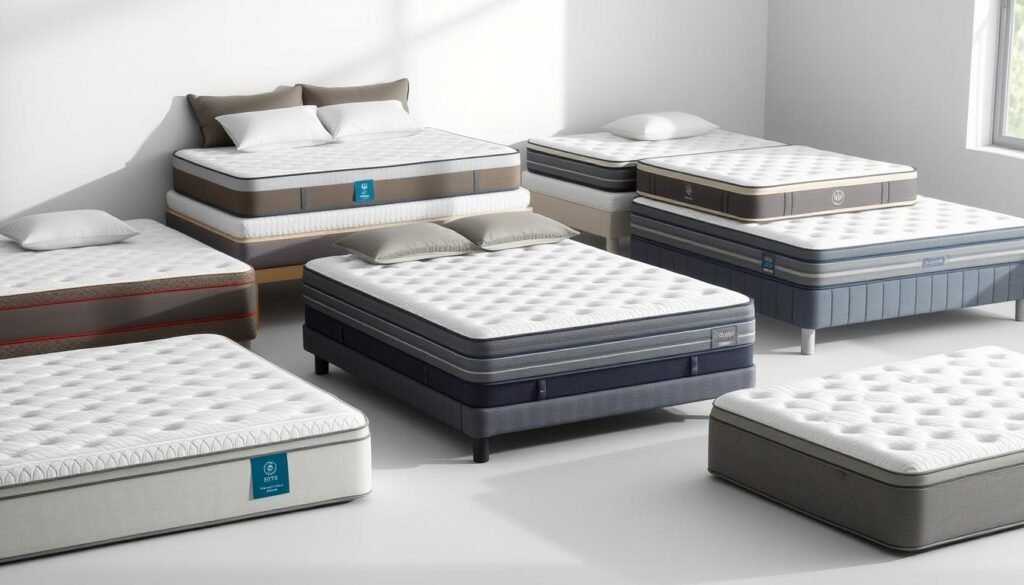
Several big names lead the UK mattress market. Sleep Country Canada, Dreamland, and Hypnos are known for their quality and new designs. A review on Mattress Online shows these brands are loved for their comfort and lasting quality.
Customer Preferences and Trends
What customers want shapes the mattress world. Now, people are into eco-friendly and sustainable mattresses. Brands using natural stuff and green ways are getting more fans. One customer said, “Going eco-friendly has changed my sleep and the planet.”
“The best mattress is one that balances comfort, support, and sustainability.”
Value for Money: Which Brands Deliver?
Brands like Simba and Emma are known for quality at good prices. Their mix of memory foam and coils gets thumbs up for lasting comfort. As things change, people want mattresses that are great for sleep and don’t cost too much.
In short, the UK mattress market has lots to offer. Top brands focus on quality, what customers want, and fair prices. Knowing these things helps people pick the perfect mattress.
Conclusion: Embrace Better Sleep for Better Dreams
Getting better sleep is easier than you think. It starts with choosing the right bed and mattress. Knowing how sleep quality matters and what affects it is the first step to a good night’s rest.
Key Takeaways for a Restful Night
A good mattress, the right bed frame, and sleep accessories are key for better sleep. Choosing a mattress that fits your sleep style, like memory foam or hybrid, can really help. It makes a big difference in how well you sleep.
Fostering a Sleep-Positive Lifestyle
Being sleep-positive is more than just the right gear. It’s about creating a sleep-friendly space. Keep a regular sleep schedule, make sure your bedroom is dark and quiet, and keep it cool. Also, avoid screens before bed.
Investing in Your Sleep
Casper shows that investing in sleep is vital for your health. By focusing on better sleep and choosing wisely for your sleep space, you can enhance your dreams. You’ll wake up feeling refreshed and ready to embrace a better sleep and lifestyle.
FAQ
What is the best type of mattress for a good night’s sleep?
The best mattress depends on what you like. Some like it firm, others soft. Memory foam, innerspring, and hybrid mattresses are popular. Each has its own benefits.
How often should I replace my mattress?
You should change your mattress every 7-10 years. This depends on how much you use it and how well you take care of it. Look out for signs of wear too.
What are the benefits of using a mattress protector?
A mattress protector keeps your mattress clean. It stops spills, stains, and allergens. It also makes your bed more comfortable.
How can I improve my sleep quality?
To sleep better, make your bedroom comfy. Stick to a sleep schedule. Avoid caffeine and screens before bed. And get a good bed and mattress.
What is the ideal temperature for a bedroom?
Your bedroom should be between 15-19°C. This temperature is best for a good night’s sleep.
How can I maintain my mattress?
To keep your mattress in top shape, rotate and flip it often. Clean it as the maker says. And use a mattress protector.
Are there eco-friendly mattress options available?
Yes, there are eco-friendly mattresses. They use natural materials like latex, cotton, and recycled stuff. This is good for the planet.
Can a mattress affect sleep disorders?
Yes, a mattress can make sleep disorders better or worse. It depends on the mattress’s quality, firmness, and support.
What are the benefits of smart mattresses?
Smart mattresses track your sleep. They give you insights and can adjust to make you more comfortable. This helps you sleep better.
How can I create a sleep-positive lifestyle?
To sleep well, keep a regular sleep schedule. Have a bedtime routine. Avoid exciting activities before bed. And choose a comfy bed and mattress.